

The Trauma Blind Spot: Could Unresolved Trauma Be Driving Your Anxiety, Depression, or Other Symptoms?
Many people receive diagnoses like anxiety, depression, ADHD, or substance use disorder without ever being assessed for trauma. Yet unresolved trauma and chronic nervous system dysregulation can drive many of the very symptoms treatment is trying to address. This article explores the "trauma blind spot" in behavioral health, why trauma often goes under-prioritized in therapy, and how recognizing it can fundamentally change the way healing begins.

What 'Triggered' Really Means — and Why Your Body's Response Is Proof of Its Brilliance
When everyone casually says they're triggered, trauma survivors look around and think — nobody else seems to be losing their mind like this. Something must be really wrong with me. Here's the truth: your triggers are not a sign of defect. They are proof of your body's brilliance.
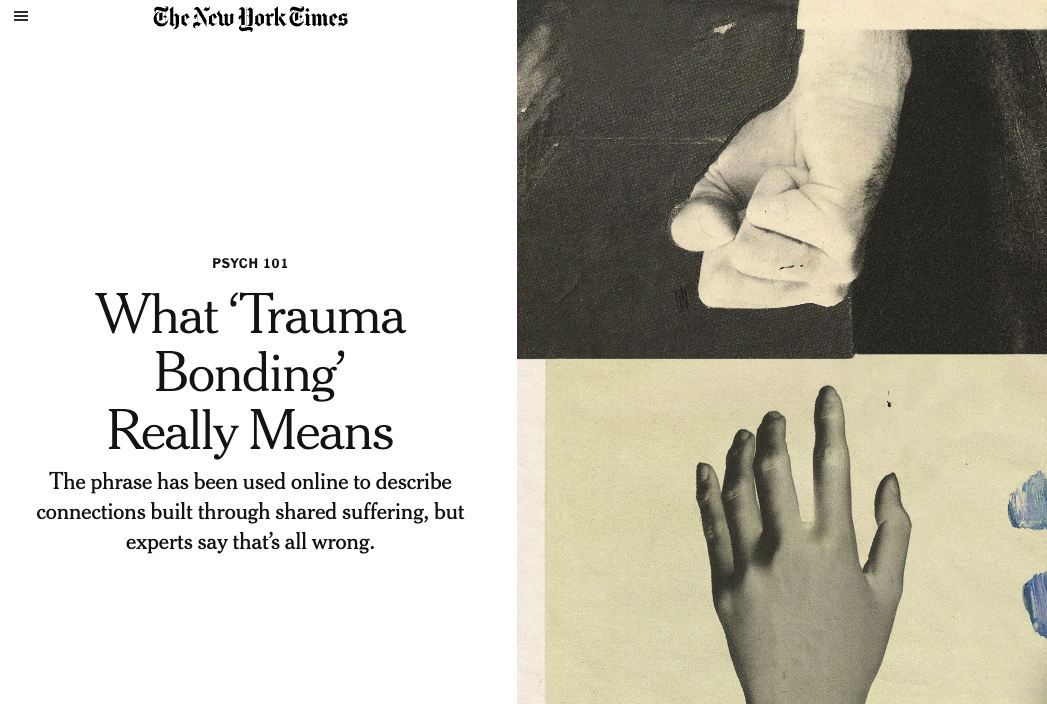
Trauma Bonding: What It Really Means — and Why It Matters
If you've ever wondered why it's so hard to leave a painful relationship, or why you kept returning to someone who hurt you — this is for you. Not because something is wrong with you. But because what happened to you has a name, and understanding it may be one of the most important steps you take toward healing.

Suffered Abuse and Now You Think Too Much?
If you’ve experienced trauma or abuse, overthinking and rumination aren’t character flaws—they’re adaptive responses. This post explores why the mind gets stuck in loops after trauma and how nervous system regulation can help restore clarity, self-compassion, and healing.

Becoming Greater than Our Circumstances
Life can change in an instant, leaving you feeling stuck and unsure of how to move forward. Becoming greater than your circumstances isn’t about one breakthrough moment — it’s about small, intentional steps that build resilience, healing, and lasting change over time.
Derailed by Stress? Reconnect with Your Inner Wisdom
When stress derails clarity, it’s easy to assume you’ve lost your way. But wisdom doesn’t disappear under pressure—it becomes harder to hear. When your nervous system finds safety again, insight naturally returns, not because you forced answers, but because your system finally felt safe enough to speak.

52 Journal Prompts for a Year of Healing and Growth
Journaling is one of the most transformative tools for self-reflection, growth, and healing. With a simple prompt, you can unlock awareness, process emotions, and envision a more fulfilling future.
Use these 52 prompts to guide you through a powerful year of healing and insight!
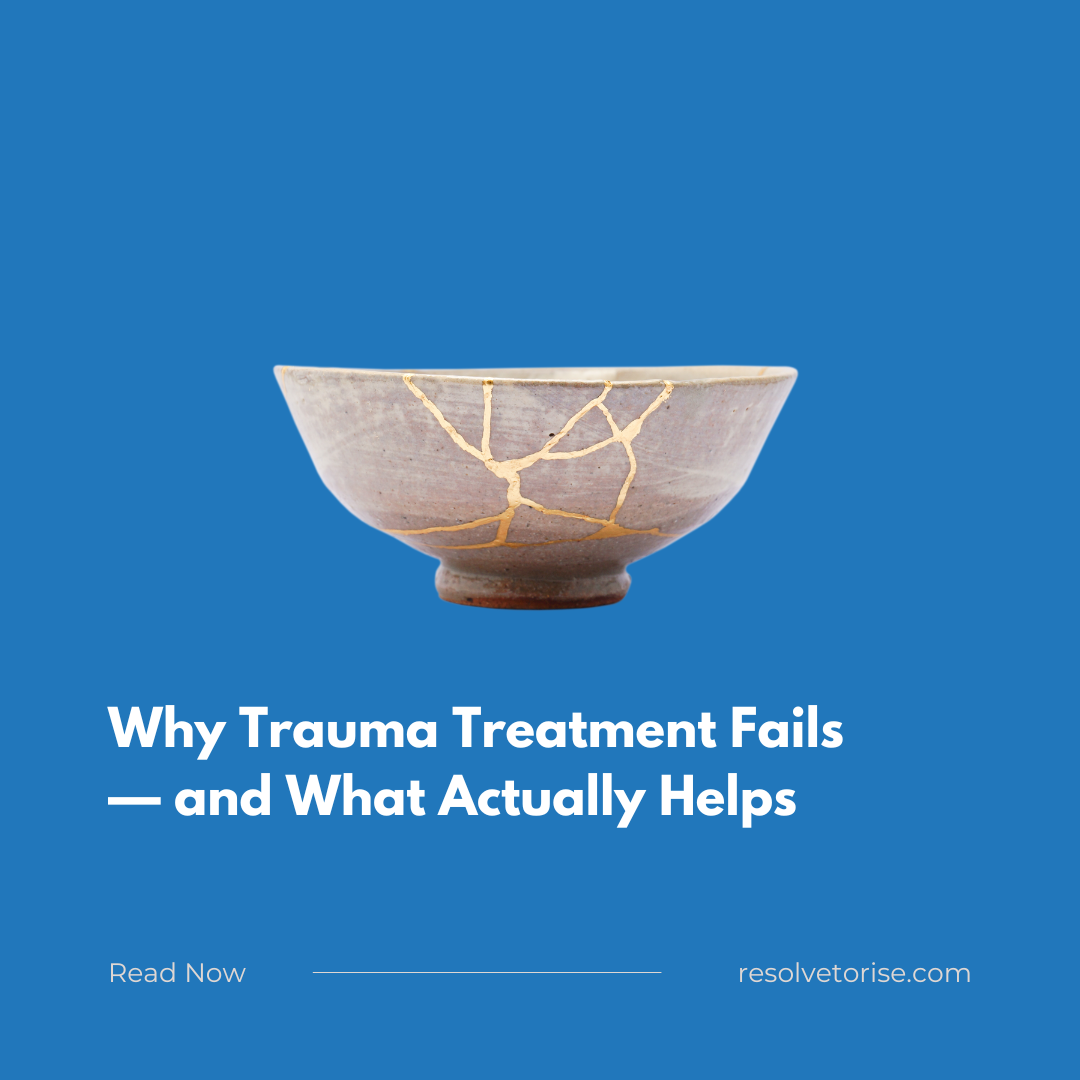
Why Trauma Treatment Fails — and What Actually Helps
Many trauma survivors try therapy or medication and still feel stuck—not because they’re “too complex,” but because their trauma wasn’t treated in the right way. When providers overlook how trauma rewires the brain and body, treatments can overwhelm the nervous system instead of helping it heal. This article explains why trauma-informed care matters, how to recognize treatment mismatches, and what approaches truly support recovery.

Holidays: Trauma, Loss & the Weight We Carry
Whether you're grieving someone you loved, navigating painful memories, or simply trying to make it through the season, there is nothing wrong with you.
You are human.
You are adapting.
And you deserve gentleness through this season.
PTSD & Other Conditions: Understanding the Whole Picture
Research shows that up to 80% of people with PTSD experience chronic inflammation (Michopoulos et al., 2017).
When we live through repeated or extreme stress, our bodies release pro-inflammatory cytokines — chemicals meant to help us fight infection. But when they stay elevated, they begin to affect mood, cognition, and immunity.
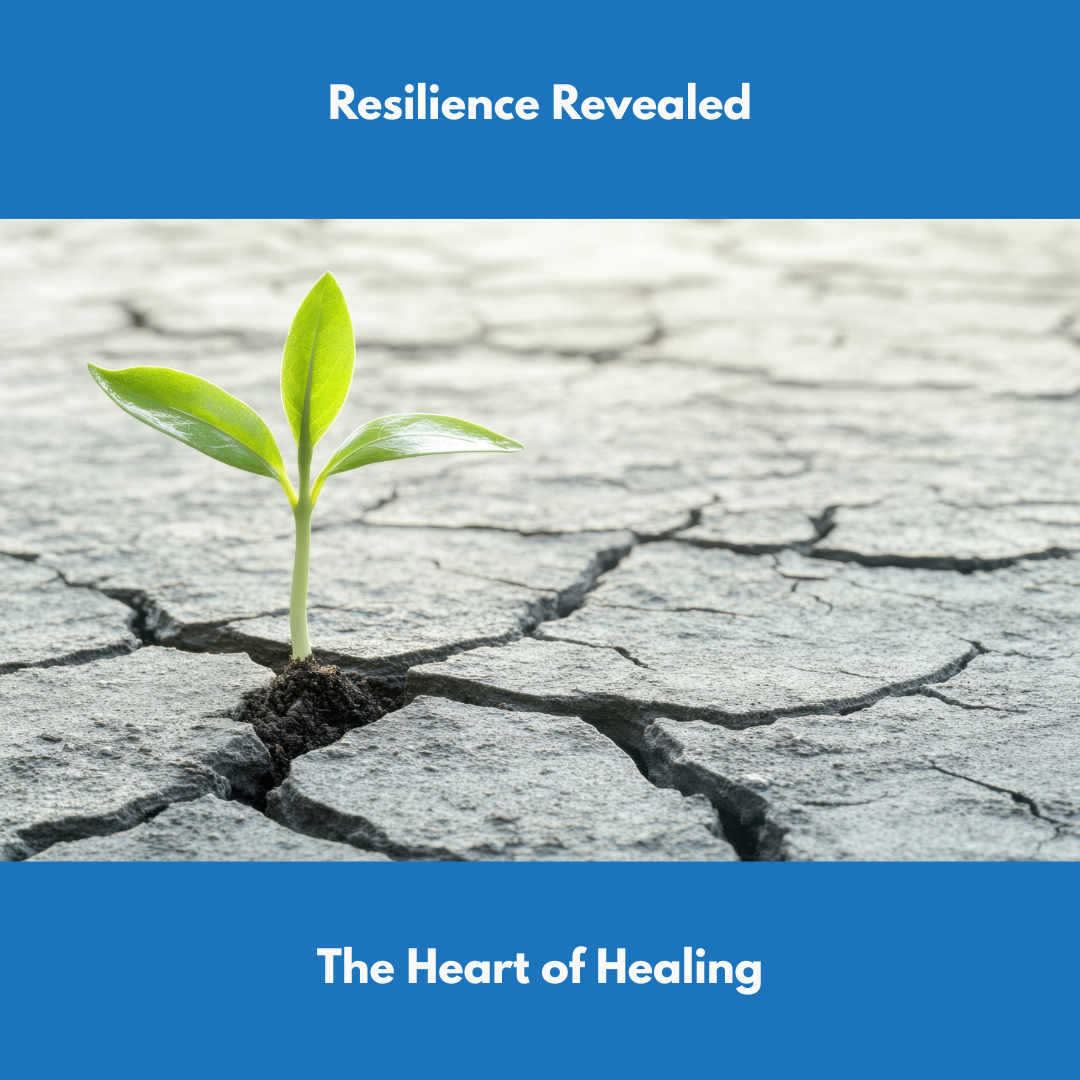
Resilience Revealed: The Heart of Healing
Resilience is not about pretending things are okay or “bouncing back” as if nothing changed. It’s about adapting — finding ways to keep going through profound difficulty.

How Trauma Rewires the Brain — and What It Takes to Heal
When trauma happens, your brain doesn’t fail you — it protects you.
It rewires itself for survival, even if that means staying on high alert long after the danger has passed. Just as a fever helps fight infection, your brain and body activate certain regions and quiet others in response to threat. Stress hormones surge, heart rate increases, and attention narrows — all designed to keep you safe.
This is wisdom at work. Your body knows how to protect you.

Intentional Healing: A Path to Trauma Recovery
Trauma recovery isn’t linear. Setbacks, avoidance, and triggers are all part of the journey. With intention — and a path like the Resolve to Rise Roadmap — you can build resilience, honor your pace, and find healing.

What is Trauma?
When we hear the word trauma, many of us think of extreme events — combat, natural disasters, or violence. But the truth is, trauma touches far more lives than we realize, and its impact can take many forms.
This week’s Resolve to Rise series explored the question: What is trauma, and how does it affect us? Here’s a deeper look at what you need to know.
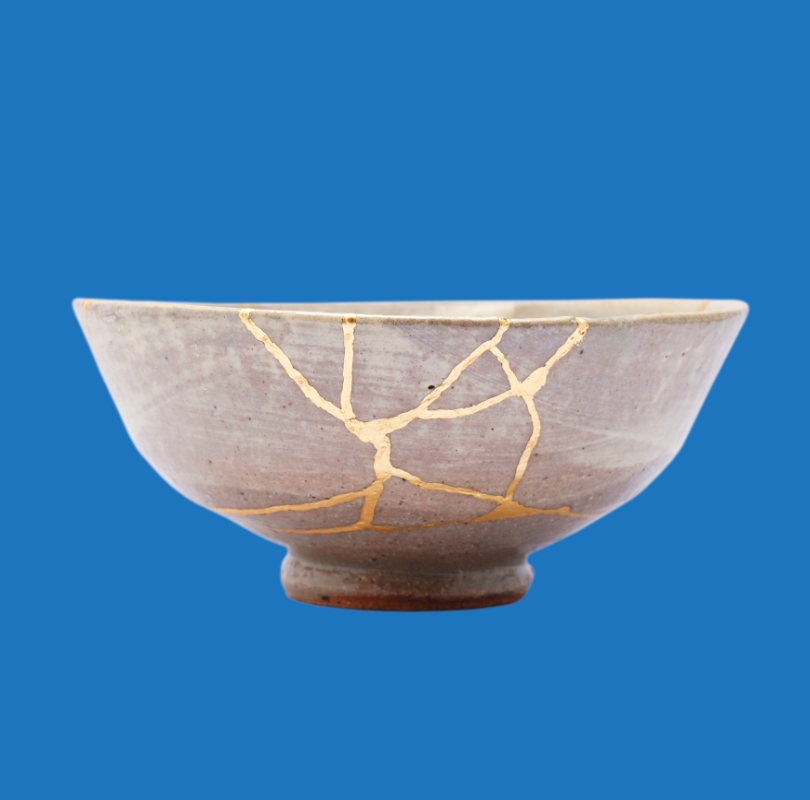
Resolve to Rise: Beauty from Brokenness
The belief is simple and profound: when something has been broken, it can be put back together in a way that celebrates its story and as a result is stronger, more beautiful, and even more valuable than before.

10 Daily Habits to Heal from Trauma
Healing from trauma is a deeply personal journey—one that requires patience, persistence, and self-compassion. While trauma recovery looks different for everyone, research shows that consistent daily practices can play a vital role in supporting emotional healing, improving mental health, and building long-term resilience.

What’s Normal Behavior During Stress and Suffering?
Why We Expect So Much From Ourselves in Hard Times—and How to Shift That Perspective?
Viktor Frankl, a Holocaust survivor who spent years in Auschwitz, famously said: “An abnormal reaction to an abnormal situation is normal behavior.”
If we know that stress and extreme challenges can cause us to respond in ways we wouldn’t under ordinary circumstances, why do we still expect so much from ourselves?

Disaster & Emotional Recovery: Navigating the Aftermath
In the wake of a devastating event—whether it’s a flood, hurricane, tornado, wildfire, or earthquake—the impact doesn’t end when the skies clear. The physical damage may be visible, but the emotional and psychological reverberations often continue for weeks, months, or even years.

Purpose and Healing
Painful experiences may feel like detours or even dead ends, but they can become the foundation for something more integrated, meaningful, and enduring.

Belief: The Hidden Accelerator of Trauma Recovery
There was a season when I didn’t like myself, trusted no one, and was on a path of self-destruction. Repetitive abuse had convinced me I was broken. Today my nervous system is calm, my relationships are healthy, and Resolve to Rise exists to help others make the same journey—from “I’m broken” to “I’m resilient and able to heal.”
The pivot point? Belief. Before we talk solutions, let’s name exactly how abuse rewires it.